Novasal enables salt reduction in cheese
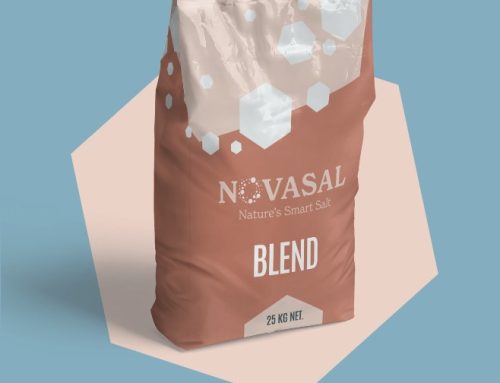
Dutch cheeses such as Gouda, Edam, and Leyden are known worldwide for their rich flavor and quality. However, these traditional cheeses contain relatively high levels of salt: an average of 2 to 2.5 grams per 100 grams of cheese. Salt is essential for flavor, rind formation, and preservation, but it also contributes significantly to our sodium intake. The question is how we can make these beloved cheeses healthier without losing their character. Novasal magnesium salt offers a natural solution. By replacing part of the table salt, a cheese is created with less sodium, extra magnesium, and the retention of that full, recognizable flavor and texture.
Salt is indispensable but also has disadvantages
During brining or dry salting, salt plays a crucial role in flavor and shelf life. Without salt, cheese would taste bland and spoil faster, but a high salt content leads to higher sodium intake, which is undesirable from a health perspective. Gradual salt reduction has its limits: too little salt can lead to structural problems or loss of flavor, which is why interest in alternative salts is growing. Potassium chloride is a well-known option but has a bitter aftertaste at higher doses. Magnesium chloride, on the other hand, has a milder taste and aligns well with the trend toward natural, clean-label products.
Smart salting with magnesium salt
Novasal can be used during the production of hard cheeses as a partial replacement for table salt. Because magnesium chloride is highly soluble and penetrates the cheese quickly, the salting process proceeds efficiently without adverse effects on the process or shelf life. Furthermore, faster absorption and high solubility can lead to a more efficient salting process, resulting in savings in time and raw material usage. It reduces sodium content while maintaining the characteristic cheese flavor. Thanks to the moisture-retaining capacity of magnesium, the cheese remains creamy and supple, without the risk of a texture that is too soft or dry. In this way, Novasal combines technological advantages with a healthier composition: less sodium, more magnesium, and the same full flavor.
De Veendammer as a practical example
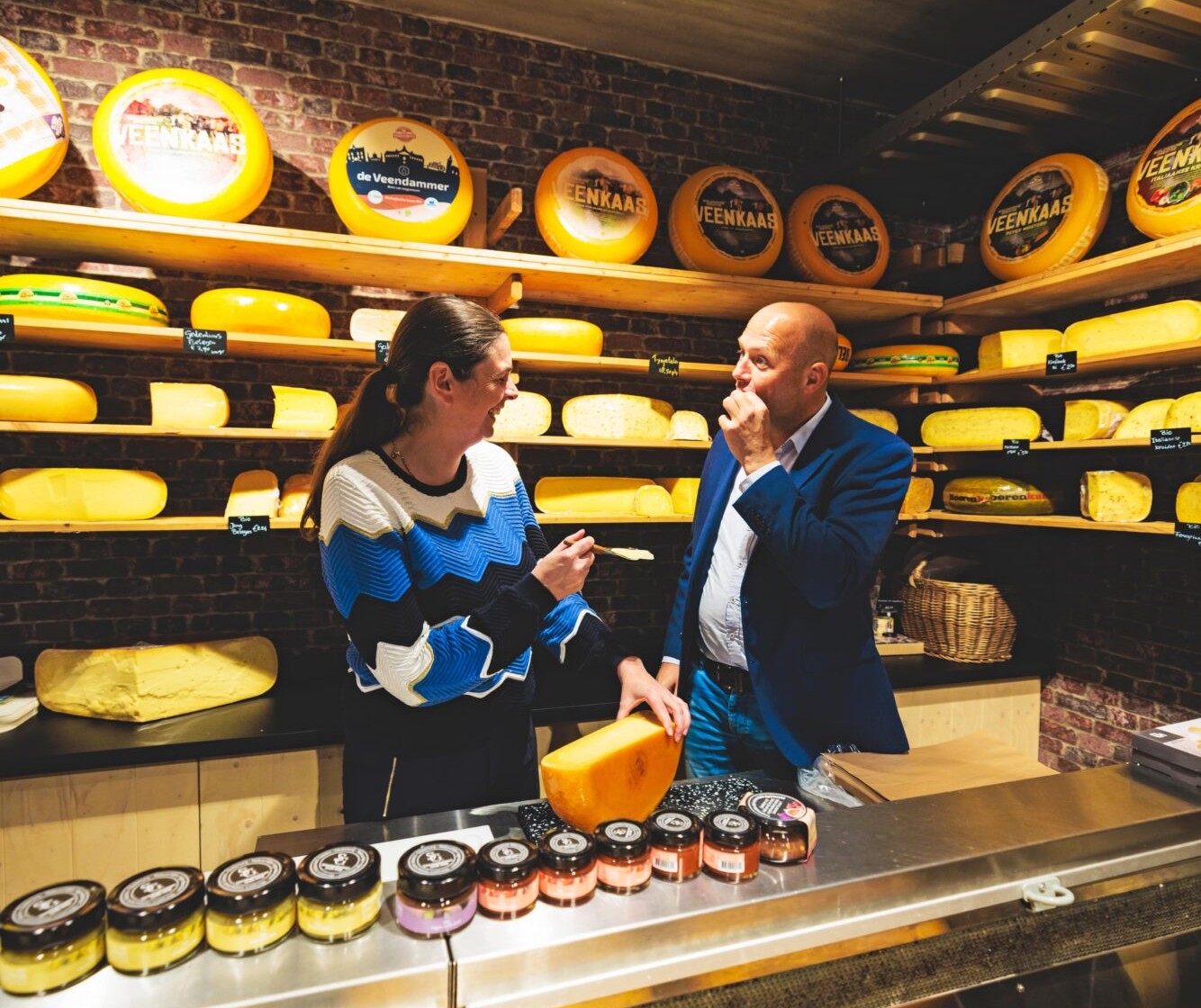
De Veendammer is a strong practical example of salt reduction in artisanal cheese. This cheese was originally developed in collaboration with Kaasboerderij Slob and is now produced at De Venehoeve in 2e Exloërmond, where Nedmag found its local partner for applying magnesium salt. A new facility for the cheese and dairy plant was recently built on the organic dairy farm’s premises, allowing for further professionalization and scaling. In De Veendammer, part of the traditional sodium salt has been replaced by Novasal, meaning the cheese contains less salt and provides extra minerals. This offers health benefits while the flavor remains full and creamy. Tastings show that the cheese is even perceived as creamier and more intense in flavor. “We are in talks with Udea, known for Ekoplaza,” says entrepreneur Ingmar Veneman. “With this cheese, we truly have something distinctive.”
Healthier enjoyment of Dutch cheese
De Veendammer demonstrates that salt reduction in cheese is achievable without compromising on taste or quality. With Novasal magnesium salt, cheesemakers can not only reduce sodium levels but also add an extra health benefit. This makes traditional cheeses future-proof and attractive to consumers who consciously choose less salt. From young cheese to extra-aged crumbly cheese: the potential is great. In this way, the rich Dutch cheese tradition remains vibrant; with less salt, more magnesium, and plenty of flavor.
Would you also like to develop cheeses with less salt and more magnesium? Please feel free to contact us to discuss the possibilities of Novasal for your production.
Related Posts