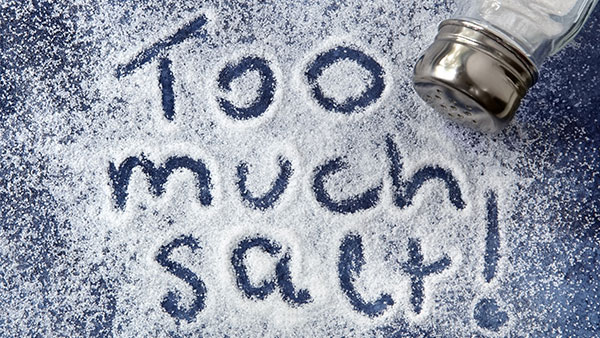
Too much salt: a global silent killer
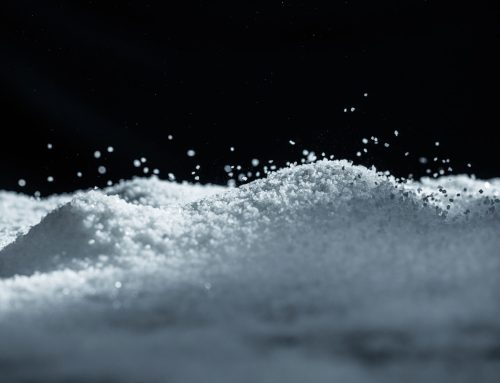
Did you know that almost everyone worldwide consumes too much salt? On average, adults consume 4,310 mg of sodium daily – that is more than double what the World Health Organization (WHO) recommends (less than 2,000 mg per day). This excessive intake has serious consequences for our health.
Excessive salt increases blood pressure and raises the risk of cardiovascular disease, stomach cancer, kidney problems, obesity, and other conditions. An estimated 1.89 million deaths worldwide are linked to high salt consumption every year.
The WHO considers reducing salt intake to be one of the most cost-effective ways to improve public health. For every dollar invested in this, it yields at least 12 dollars in saved healthcare costs and prevented disease burden.
What can you do?
Choose fresh, unprocessed products more often.
Keep the salt shaker off the table.
Use herbs instead of salt for flavor.
Limit ready-to-eat sauces, soups, and snacks.
Choose products with less salt or with salt substitutes containing potassium.
What is the WHO doing?
The WHO has recommended several policy measures, including:
Reducing salt in processed foods.
Clear labeling on packaging.
Public education via mass media.
Low-sodium meals in schools, hospitals, and other institutions.
Governments worldwide are urged to take action via the Sodium Country Score Card, which measures progress in salt reduction policies.
Read the full WHO article for more background information and recommendations
Related Posts